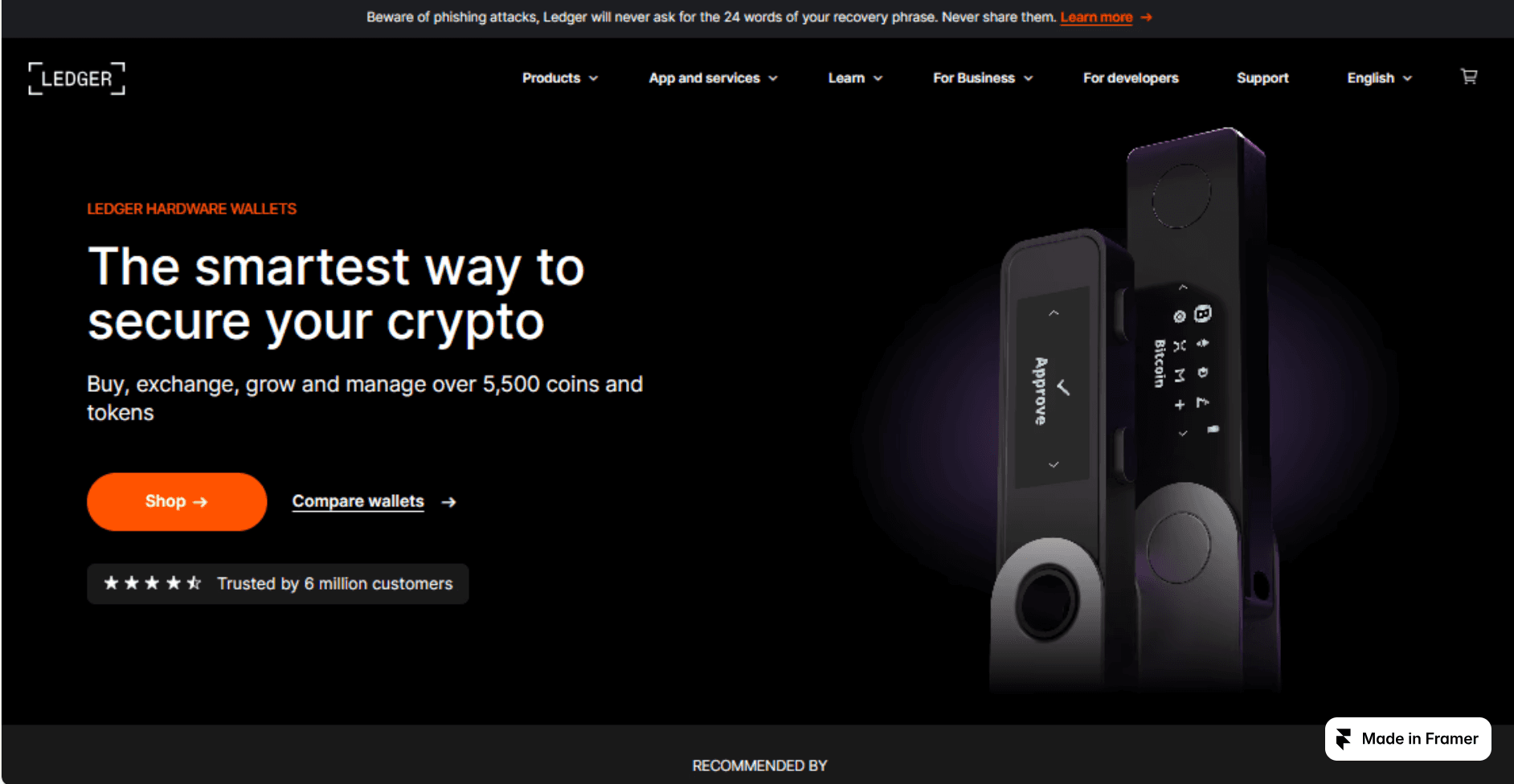
Getting Started with Your Ledger Hardware Wallet: A Comprehensive Guide
Ledger hardware wallets are among the most secure ways to store and manage cryptocurrencies. By keeping your private keys offline in a secure chip, devices like the Ledger Nano X, Nano S Plus, Flex, or Stax protect your assets from online threats such as hacking and phishing. The official starting point for new users is ledger.com/start, which provides a step-by-step guide to setting up your device and downloading the companion app, now called Ledger Wallet™ (formerly known as Ledger Live™). This all-in-one app allows you to buy, sell, swap, stake, and track over 15,000 coins and NFTs securely.
Why Choose a Ledger Hardware Wallet?
In the world of cryptocurrency, security is paramount. Software wallets (hot wallets) are convenient but vulnerable to malware and online attacks. Hardware wallets like Ledger solve this by storing private keys offline. Ledger devices use a certified secure element chip, similar to those in credit cards and passports, ensuring your keys never leave the device. Even if your computer or phone is compromised, your funds remain safe. Ledger supports major cryptocurrencies including Bitcoin (BTC), Ethereum (ETH), Solana (SOL), Ripple (XRP), Cardano (ADA), Polkadot (DOT), and thousands more, plus ERC-20 tokens and NFTs.
Ledger emphasizes self-custody: you control your assets, not a third party like an exchange. This aligns with the crypto ethos of "not your keys, not your crypto." As of late 2025, Ledger Wallet™ has evolved into a comprehensive ecosystem, integrating DeFi services, staking, and cross-chain swaps while maintaining top-tier security.
Step 1: Purchasing and Verifying Your Device
Always buy directly from the official Ledger website (ledger.com or shop.ledger.com) to avoid tampered devices. Counterfeit wallets sold on third-party sites can steal your funds. Upon receiving your Ledger, check the packaging for tamper-evident seals. The device should prompt you to set up a new PIN and recovery phrase—never buy a "pre-configured" one.
Step 2: Downloading Ledger Wallet™
Head to ledger.com/start. This page guides you to download the official app:
Select your operating system (Windows, macOS, Linux) or mobile platform (iOS/Android).
Download the installer from the official source only—avoid third-party links to prevent malware.
For mobile, search "Ledger Wallet" in the App Store or Google Play (package ID: com.ledger.live).
Install the app and launch it. Ledger Wallet™ features a clean interface for portfolio management, transactions, and more.
Step 3: Setting Up Your Ledger Device
Connect your Ledger device via USB (or Bluetooth for Nano X, Flex, or Stax models).
Power On and Choose Setup: The device will guide you. Select "Set up as new device."
Set a PIN Code: Choose a 4-8 digit PIN. Confirm it. This protects physical access.
Generate Recovery Phrase: The device displays a 24-word recovery phrase (BIP39 standard). Write it down exactly in order on the provided recovery sheet. Never type it into a computer or phone—scammers often trick users into entering it online.
Verify the Phrase: The device quizzes you on random words to confirm you recorded it correctly.
Complete Setup: Once verified, your device is ready. The screen shows "Your device is ready!"
Critical Security Tip: Store your recovery phrase offline in a safe place (e.g., metal backup like Ledger's Crypto Steel). Never share it, screenshot it, or store it digitally. Ledger will never ask for it. If you lose your device but have the phrase, you can recover on a new Ledger. Lose both? Your funds are gone forever.